
November 13, 2026
Digital Repair Quotes With Photo Approval Cut Bench Phone Tag
How bike shops use digital repair quotes with photo approval to kill phone tag on the bench, speed up tune-ups, and get customer sign-off in minutes.
By Samuel Edwards

A short text with photos and a dollar amount closes bike repair approvals in minutes rather than hours. That difference decides how many half-torn-down bikes stack up on your stand each week waiting for a callback.
The workflow underneath is unglamorous and tight. Photograph the worn part the way the customer would see it in person, send one message with a price in the first line, and route approval thresholds through a bike shop management system so nothing lives only in the mechanic's head. Done well, the bike rarely leaves the stand mid-job.
The Callback Is the Bench Tax
Every shop has felt the loop. The drivetrain comes off for a tune, you see hooked cog teeth and a sidewall cut you missed at intake, and the quote needs to move from $85 to $140. The customer does not answer. You cannot close the bike up. You cannot finish it either. The stand is parked.
The numbers on the auto service side are the closest published analog. Digital estimates with photos are approved in a median of six minutes, while phone-based approvals average 22 to 23 hours. That approval delay is the bench tax. Your mechanic is standing next to an open tool tray waiting for a callback that is statistically arriving tomorrow. A separate shop-floor analysis put lost labor from chasing approvals at roughly four hours per day.
Bike repair is not auto repair, but the mechanics of waiting are identical. If a $120 chain-and-cassette quote sits in voicemail for 22 hours, the bike behind it sits for 22 hours too, with the open parts tray next to it and no mechanic willing to cannibalize the setup for the next ticket.
What to Photograph Before the Quote Goes Out
The shots that pay off are the ones the customer would take themselves if they were standing next to the stand. Keep them boring and comparative.
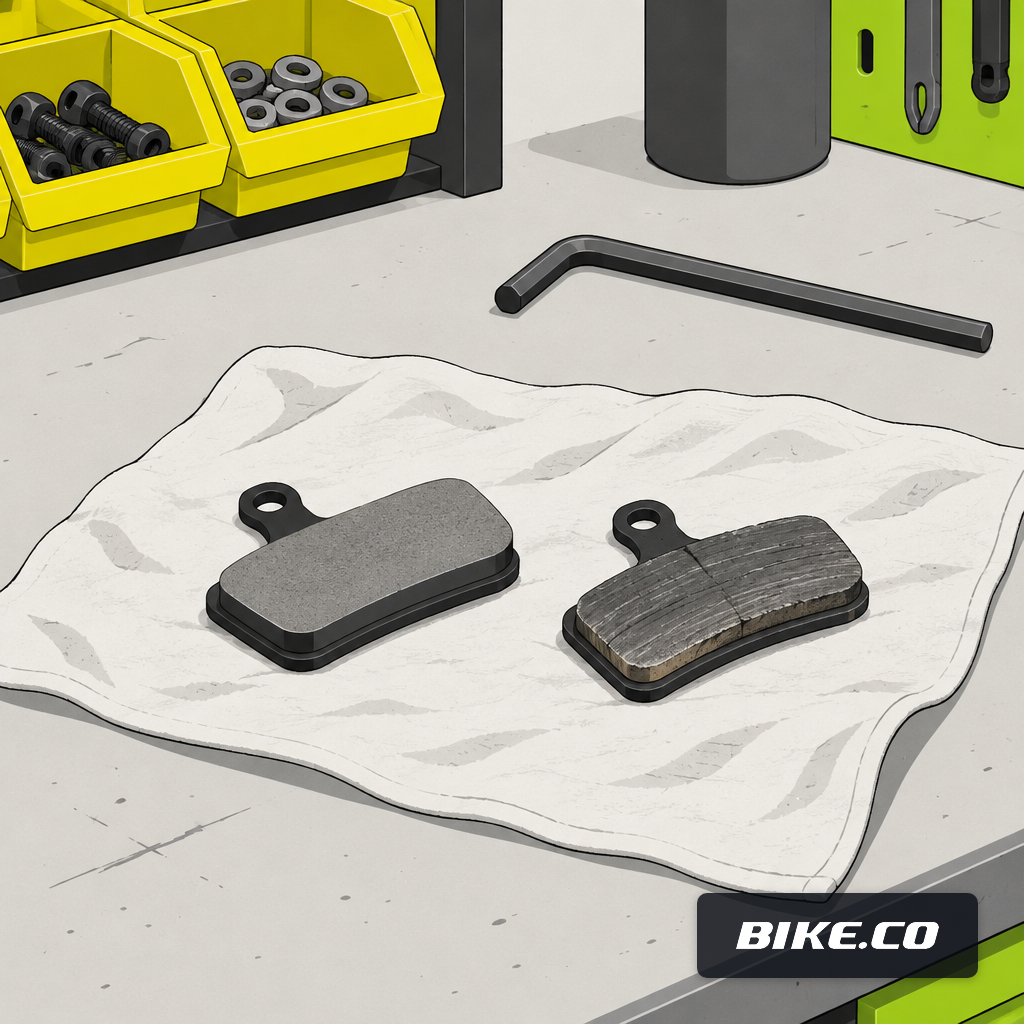
- Worn brake pad pressed against a new pad, both in frame.
- Cracked tire sidewall held open with casing threads visible.
- Chain under a wear gauge with the 0.75 mark readable.
- Cassette cogs from the side, hooked teeth silhouetted.
- Derailleur hanger with a straightedge resting against it.
- Hub bearings on a rag, finger pointed at the pitting.
Ten seconds per shot. The point is evidence, not a portfolio. One habit compounds: always photograph the new part next to the old one. The customer sees two pads, two chains, two tires. They ask fewer follow-up questions and decline less often. J.D. Power measured advisor satisfaction 31 points higher when photos accompanied inspection results.
Most of the CRM features operators use day to day hang off this one habit. Photos on the ticket are what make every later message, follow-up, and warranty conversation land.
What a Good Approval Message Looks Like
The text should read the way you would speak to the customer at the counter. Price in the first line, bike identifier, one sentence of plain English, photos, approve and decline buttons.
Something like: "Hi Sam, gravel bike needs a new chain and cassette. Adds $95 to the original $110. Photos below. Tap approve or decline." That is the whole message.
The temptation is to over-explain chain stretch, drivetrain wear ratios, and the difference between a Shimano and SRAM cassette. Resist it. A paragraph the customer will not read is friction, not service. If the price range straddles thresholds, bike shop labor rates typically run $50 to $100 per hour at general shops and $75 to $150 at specialty shops, and the photo is what settles whether the extra time is justified.
Response windows matter too. The 2025 EZ Texting report found 57 percent of consumers expect a business text reply inside 15 minutes. That cuts both ways. Customers answer fast if you ask fast, and they go cold if the message lands three hours after drop-off.
Set Thresholds So Mechanics Stop Guessing
Write the tiers down and post them above the stand.
- Under $25 (cable, bar tape, bottle bolts): the mechanic does it and notes the add on the ticket.
- Between $25 and the ticket total: send photos and a quote, wait for the approve tap.
- Above 50 percent of the original estimate: the ticket pauses until the customer confirms, no exceptions.
The exact number matters less than the fact that a number exists. A new hire does not have to improvise what gets a text and what does not. The senior mechanic does not have to sign off on every $18 cable housing swap.
There is a defensive side too. The FTC consumer guide on auto repair leans hard on the right to authorize work in advance, and bike shop customers carry the same expectation. Photo-and-quote approval documents the authorization automatically. The ticket records what the customer saw, what they agreed to, and when. Three weeks later, if a comeback arrives, the conversation starts from the message thread rather than from memory.
If your current software cannot store those threads on the ticket, see where it sits on the bike shop CRM checklist.
| Delivery of inspection | Share of customers receiving it | Recommended work completed |
|---|---|---|
| With photo or video | 23% | 51% |
| Without photo or video | 77% | 24% |
Where the Bench Hours Come Back
The hours return in three places: the mechanic at the stand, the service writer at the counter, and the senior mechanic who used to translate half the quotes. Text is the delivery mechanism because 90 percent of text messages are opened within three minutes, which is roughly the delay between the mechanic noticing an issue and standing around waiting to act on it.
Comebacks tend to drop as well. A ticket with annotated photos and a timestamped approval leaves little room for "I did not agree to that." It also leaves little room for the mechanic to wonder whether the customer wanted the chainring replaced or just inspected. That alone can save an hour of the senior tech's time every busy week.
The labor you free up matters more than it used to.
Shops cannot hire out of a bench problem. The only way to get more productive hours out of the mechanics you already have is to stop losing them to voicemail. Photo-and-quote approval is the cheapest intervention in the building: no new jig, no new bottom-bracket tool, just a short message with evidence attached.
What Changes Next Year
Two shifts are worth watching into 2027. The first is customer tolerance for text response windows, which is still tightening. Shops that answer inside 15 minutes will keep approval rates climbing while shops that let messages sit will watch them erode. The second is automated photo tagging. The rotor-pad-versus-new-pad comparison is exactly the kind of recognition task that is getting cheaper every quarter, and when the shot can be labeled and inserted into the message without the mechanic writing it, the workflow collapses to one tap on the customer's side and one on the shop's side. Shops that already have the photo habit will be the ones that benefit; shops still calling customers back will be the ones still waiting at close.
Samuel Edwards · Chief Marketing Officer
Samuel Edwards is Chief Marketing Officer at erp.io, the suite BIKE.co runs on. He has spent 15+ years in technical SEO, content strategy and demand generation, running paid and organic operations for organisations ranging from venture-backed startups to Fortune 500 companies, and has spoken at the Search Marketing Expo series and on the TEDx stage. At BIKE.co he writes about how a service department finds and keeps its customers: how riders choose where to book a repair, what a shop's own site and listings should say about turnaround and pricing, and why being plain about what a shop does and does not do wins more work than a clever promotion.